
Minimalist Butterfly Tattoo Ideas: 45+ Designs That Wow
Explore the delicate art of minimalist butterfly tattoos. From fine-line elegance to geometric precision, find the perfect design and placement for your first or next piece of ink.
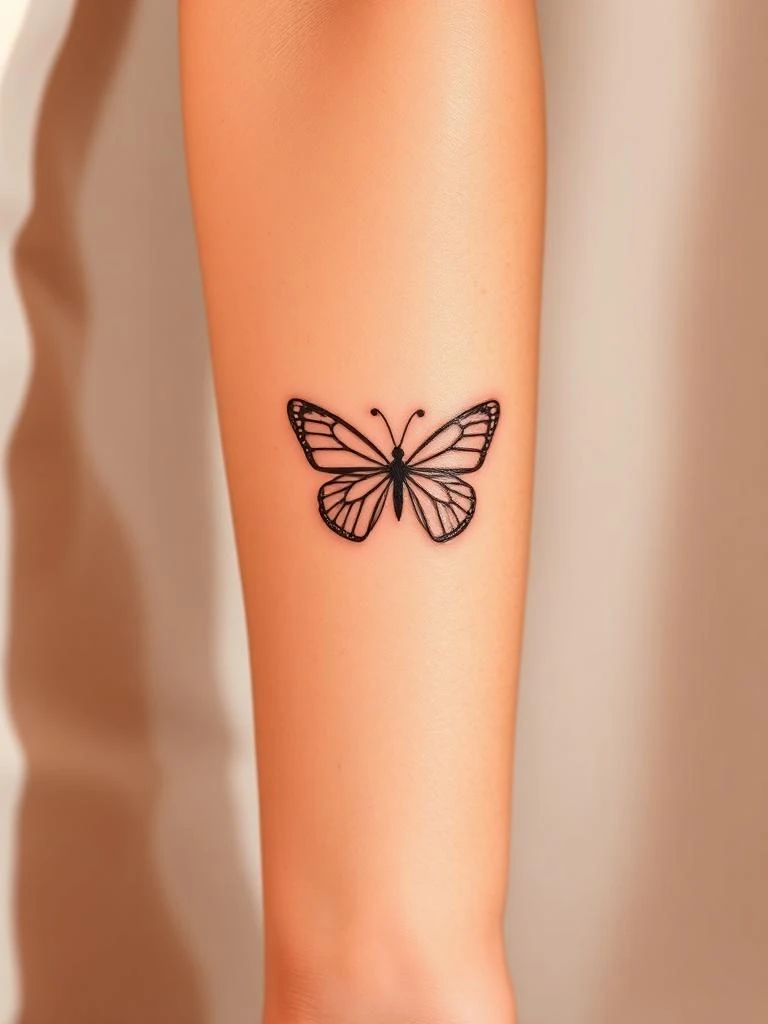
Minimalist Butterfly Tattoo Ideas: 50+ Designs That Redefine Elegance
• Minimalist butterfly tattoos focus on clean lines, negative space, and symbolic meaning over intricate detail.
• Placement drastically affects the design; the wrist, ankle, and behind the ear are top spots for dainty pieces.
• Fine-line, geometric, and abstract styles are the leading trends for a modern, understated look.
• Choosing the right artist is non-negotiable; always review portfolios for clean, consistent line work.
• Aftercare is simple but critical for preserving the crispness of your minimalist ink.
There’s a quiet power in tiny, delicate art. Let's be candid. The kind you only notice when the light hits just right, or when the wearer gestures in conversation. A minimalist butterfly tattoo isn't just ink on skin; it’s a whisper of transformation, a nod to freedom, a personal emblem that doesn't scream for attention but commands respect. We aren't talking about the heavy, hyper-realistic monarchs with every vein and scale rendered. We're talking about the essence of the butterfly—stripped back to its most elegant, potent form.
Let's be honest: the search for the perfect design can feel overwhelming. Here is the catch. You're flooded with Pinterest boards full of generic tribal wings and over-saturated realism. But you're here because you want something different. Something you. The secret is simple: minimalism isn't about doing less; it's about saying more with less. It’s about a single, confident line that captures flight, or a geometric shape that frames change. In this masterclass, we're going to dissect the anatomy of the perfect minimalist butterfly tattoo, explore the hottest design trends, and give you the exact blueprint to walk into that tattoo studio with total confidence.
1. What Exactly Defines a "Minimalist" Butterfly Tattoo?
First, let’s get our definitions straight. In the world of modern tattooing, "minimalist" has become a catch-all term, but true minimalism in tattoo art hinges on a few core principles.
The Core Aesthetic: Less is Truly More
A minimalist butterfly tattoo relies on line weight variation and negative space to create the image. You won't find heavy black shading or color gradients. Instead, the design lives in the stroke. Think of a single, continuous line that curves into wings, or a delicate outline that suggests the form. This approach demands precision. There's nowhere to hide a shaky hand when you're working with a 1mm line.
The Psychology of the Simple Design
Why do we gravitate towards these clean designs? Sounds familiar? Because they mirror a clean state of mind. In a chaotic world, a minimalist tattoo acts as an anchor. It's a controlled, intentional mark that speaks to a desire for clarity and focus. It's not about showing off wealth or pain tolerance; it's about showing off taste and meaning. You are essentially curating your body's gallery with only the most essential pieces.
Fine-Line vs. Standard Line Work
This is a essential distinction, and one many clients get wrong. Fine-line refers to the needle size and technique used (often 3-5 round liners), resulting in hair-thin strokes. Standard line work is bolder and thicker. For a minimalist butterfly, you almost always want fine-line work to achieve that "sketch-like" or "drawn on" look. It ages differently too; fine lines can blur slightly over time, so they must be placed with enough spacing to remain legible years down the road.
2. The Symbolism: Why the Butterfly?
Before you pick a placement, understand the weight of the symbol you're wearing. The butterfly is one of the most potent motifs across cultures, and when you strip it down to its minimalist core, the symbolism becomes even more focused.
Transformation and Rebirth
The most universal meaning is metamorphosis. The reality is straightforward. The journey from caterpillar to chrysalis to butterfly is a powerful metaphor for personal growth. A minimalist design captures this not by showing the stages, but by embodying the result. It’s a badge of honor for overcoming a difficult period, be it a breakup, an illness, or a career change. You didn't just survive; you evolved.
The Soul and Remembrance
In many cultures, including Greek and Irish traditions, the butterfly is a symbol of the human soul. Think about that for a second. Catching a glimpse of one is often seen as a visit from a loved one who has passed. A tiny butterfly on the collarbone or sternum can be a deeply private, intimate memorial. It's a way of keeping someone close without a morbid or overtly sad tattoo.
Freedom and Femininity
Butterflies are also synonymous with freedom. That changes the math completely. They are untamable, flitting from flower to flower without a care. For many, a minimalist butterfly is an assertion of independence. It says, "I am wild, I am free, I belong to myself." This is particularly powerful when combined with the fluidity of feminine energy, making it a top choice for those wanting to celebrate their soft yet resilient nature.
3. The Top Styles in Minimalist Butterfly Tattoos
Now, let's get into the good stuff—the aesthetics. The "minimalist" umbrella covers several distinct styles. Here’s your breakdown of the trends that dominate 2024 and beyond.
The One-Line Wonder
This is the pinnacle of minimalism. Here is what most teams miss. The entire butterfly—wings, body, and antennae—is drawn in a single, unbroken line. It’s clear proof of the artist's skill. These look best on flat areas of the body like the forearm or the back of the shoulder. The design is fluid, modern, and inherently artistic.
Geometric Precision
This style fuses natural form with mathematical structure. The tradeoff is real. You might see a butterfly where the wings are composed of triangles, or where the body is a straight line and the wings are perfect arcs. Geometric butterflies often incorporate sacred geometry, suggesting a cosmic order and balance. They are incredibly striking and modern.
Abstract & Botanical Fusion
For those who want to break the mold, consider a butterfly that merges with botanical elements. Make no mistake about it. A wing that becomes a leaf, or antennae that curve into vine tendrils. This is a sophisticated take that combines two natural motifs into one cohesive, organic design. It feels soft, romantic, and deeply connected to nature.
The "Dashed" or Dotted Style
Here, the outline isn't solid. Why does this matter so much? Instead, it's created using a series of small dots (stippling) or short dashes. This gives the tattoo a sketch-like, ethereal quality. Up close, it looks detailed; from a distance, it appears solid. It's a brilliant way to add texture without breaking the minimalist rule of thumb.
Tiny & Realistic
This is a bit of a contradiction in terms, but it works. Not quite. This is a very small, simplified realistic butterfly—maybe just the top wings or a profile view—done in fine grey wash (a diluted black ink) to create subtle dimension. It's not the heavy 3D realism of the 2010s; it's a whisper of realism that reads as minimalist due to its size and restraint.
4. Placement Guide: Where Does Your Butterfly Belong?
Placement is 50% of the design. The same butterfly will look wildly different on your wrist versus your ribcage. Here is the expert breakdown of prime real estate for small, minimalist ink.
The Wrist & Forearm
The wrist is the classic placement for a reason. Look at the numbers. It's visible, elegant, and the skin is thin, which holds fine lines beautifully. A small butterfly here acts as a constant, personal reminder. Pro-Tip: A butterfly pointing toward the hand symbolizes looking to the future; pointing toward the elbow symbolizes looking back at the past. Choose your direction wisely.
The Ankle & Foot
This is a flirtatious, delicate spot. A tiny butterfly on the ankle bone or the top of the foot is perfect for those who want their tattoo to be selective. It’s easy to hide with socks or shoes, but elegant when revealed with a pair of strappy sandals or a midi skirt. The ankle's bone structure provides a nice "shelf" for the wings to spread.
Behind the Ear & Neck
For the ultimate in dainty placement, the behind-the-ear spot is unbeatable. It's an intimate placement, visible only when you wear your hair up. A tiny butterfly here suggests a secret, a hidden whimsy. The nape of the neck is another classy option, allowing the butterfly to point down the spine for a sensual, elongating effect.
The Collarbone & Chest
The collarbone offers a wide, flat canvas that’s perfect for a symmetrical butterfly. It follows the natural lines of your body. This placement feels regal and graceful. Your collarbone moves with you, giving the butterfly a sense of life and movement even when you are standing still.
The Shoulder & Back
Moving to the shoulder blade is a great choice for a slightly larger minimalist piece. Because you've more space, the artist can play with negative space or longer line work. A butterfly here is a classic, tasteful choice that looks gorgeous in backless dresses or off-the-shoulder tops.
| Placement | Pain Level (1-10) | Visibility | Best Design Style | Healing Time |
| Placement / Category | Size & Scale | Pain Rating (1-10) | Visibility & Fine Line Detail | Aesthetic Impact & Elegance |
|---|---|---|---|---|
| Wrist | 3/10 | High | One-Line, Tiny | 1-2 Weeks |
| Ankle | 4/10 | Moderate | Geometric, Botanical | 2-3 Weeks |
| Behind Ear | 5/10 | Low | Tiny & Detailed | 2-3 Weeks |
| Collarbone | 5/10 | High | Symmetrical, Abstract | 2-3 Weeks |
| Shoulder Blade | 3/10 | Low (Revealed) | Larger, Fine-Line | 1-2 Weeks |
5. Color vs. Black and Grey: The Eternal Question
One of the most common questions I get is about color. Should you add a splash of blue? A hint of gold? My answer is usually a firm "no" for true minimalism—but let's break down why.
The Case for Pure Black
Black ink is the gold standard for minimalist work. It is the most stable, holds up best against the sun, and creates the crispest contrast. A black fine-line butterfly will look sharp and high-end for decades. It also allows the negative space (your skin tone) to act as the "color," creating a stunning interplay between ink and flesh.
The "Color" Illusion
If you crave color, don't pack it in. Instead, ask your artist for watercolor accents or single-tone line work. Imagine a minimalist butterfly outline where the wings are filled with a light, transparent wash of indigo or a soft terracotta. This keeps the airy, light feel of minimalism while adding a modern twist. Alternatively, use a colored ink (like a deep burgundy or forest green) for the entire outline instead of black. This is a subtle but incredibly stylish deviation from the norm.
Skin Tone Considerations
Let's be real: contrast matters. On fair skin, black ink offers a crisp, stark contrast. On darker skin tones, black ink can sometimes appear a bit grey or muddy if not done with a heavy hand. This is where you might consider a deep brown ink or a very dark navy. A skilled artist will know exactly how to adjust the ink and depth to ensure your butterfly pops beautifully against your specific melanin levels.
6. The Ultimate Step-by-Step Process to Getting Inked
Okay, you’ve got the inspiration. Now, how do you turn this Pinterest board into a reality? The process is more nuanced than just booking an appointment. Here’s the exact workflow I recommend to everyone.
Step 1: Curate, Don't Copy
Save 10-15 reference images. Do not just save one. This is essential. You want to give your artist elements to work with, not a screenshot to trace. Save one for placement, one for line style, one for wing shape. When you present these, you’re saying, "I like the placement from this one, the line weight from this one, and the abstract curve from this one."
Step 2: The Consultation (The Interview)
This is where you interview the artist. Ask to see their healed work. Anyone can make a tattoo look good fresh, but you want to see how the line work settles after 6 months. Ask about their experience with micro-fine lines. Ask to see their portfolio of tattoos smaller than 2 inches. If they don't have one, walk away.
Step 3: The Stencil and Placement (The "Dry Run")
The artist will place the stencil. This isn't the final design; it's a suggestion. Look at it in a mirror, not just directly down at it. Move around. See how it flows with your body's natural curves. Don't be afraid to ask for it to be moved a centimeter to the left or tilted slightly. This is your body, and this is your moment.
Step 4: The Session
For a minimalist piece, this should be 30-60 minutes. The pain is manageable. Don't tense up; take deep breaths. Focus on the fact that you are actively participating in a ritual of self-expression. It's a meditative process for many.
Step 5: Aftercare (Non-Negotiable)
Your artist will give you instructions. Follow them. For the first 24 hours, keep it wrapped. Then, wash it gently with unscented soap and apply a very thin layer of moisturizer. Do not scratch it, even if it itches. This is how you ruin line work. Sunscreen is your tattoo's best friend for life.
7. Real-World Data: Cost, Pain, and Longevity
Let's talk numbers, because we all think about it. The price of a minimalist tattoo varies wildly, but here is a realistic snapshot for 2024.
Cost Breakdown
- The "Cheap" Route ($50-100): This is a flash design, done quickly, often in a walk-in session. You get what you pay for.
- The Standard Route ($150-350): This is the sweet spot. You're paying for a custom design, a clean studio, and an artist who specializes in fine-line work. This usually covers a 1-3 inch butterfly.
- The Premium Route ($400+): This is for a highly sought-after artist or a more complex geometric piece. You are paying for a specific style and often a longer waitlist.
The Aging Process (The Brutal Truth)
Minimalist tattoos aren't immune to aging. They are actually more susceptible to blurring than bolder tattoos. Here’s the data: fine lines can spread up to 30% over 10-20 years. That crisp, razor-thin line will soften. To combat this, size matters. A tattoo that is too small (under 1 inch) will become a blob over time. Ensure your butterfly is at least 1.5-2 inches in height to allow the lines to spread gracefully without losing their shape.
| Aspect | Minimalist Tattoo | Traditional/Bold Tattoo |
| Placement / Category | Size & Scale | Pain Rating (1-10) |
|---|---|---|
| Initial Cost | Lower ($150-$400) | Higher ($300-$800+) |
| Session Time | 30-60 mins | 2-4 hours |
| Aging Process | Lines may blur/blow out | Holds shape incredibly well |
| Touch-Up Frequency | More often (every 5-10 yrs) | Rarely needed |
| Aesthetic | Subtle, elegant, modern | Bold, classic, timeless |
8. Pairing Ideas: Adding a Companion Element
A lone butterfly is beautiful, but a minimalist butterfly surrounded by a few complementary elements creates a story. Here are my favorite pairings that keep the aesthetic cohesive.
Butterfly + Botanical Line Art
Add a single stem of eucalyptus or a sprig of lavender alongside your butterfly. The organic curves of the plant complement the geometric or soft curves of the wings. This is a favorite for those who want a nature-themed sleeve or a cohesive collection on one arm.
Butterfly + Text or Coordinates
A tiny butterfly accompanying a single word ("Breathe," "Fly," "Free") or a set of coordinates (a place of rebirth, a hometown) makes the tattoo deeply personal. Place the text below the butterfly in a clean, simple font. Avoid script fonts that are too ornate; they can become illegible at a small size.
Butterfly + Celestial Elements
A crescent moon, a tiny star, or a simple sun. The butterfly represents the earthly transformation, while the celestial elements represent the vast, eternal universe. It's a philosophical tattoo that suggests our small place in the cosmos. This pairing works beautifully on the ribs or the inner arm.
9. Common Mistakes to Avoid (The "Don'ts")
After years of watching trends and healing tattoos, I’ve seen the same mistakes repeated. Save yourself the regret and the laser removal sessions by avoiding these pitfalls.
- Mistake #1: Choosing a Heavy-Handed Artist. A tattoo artist who usually does thick, bold traditional work will likely press too hard for a minimalist piece, causing "blowouts" (where ink spreads under the skin). You need a specialist in fine lines.
- Mistake #2: Overcomplicating the Design. The beauty is in the simplicity. If you're adding shading, gradients, and multiple elements, you've left the realm of minimalism. Trust the empty space.
- Mistake #3: Ignoring the Body's Natural Flow. A perfectly symmetrical butterfly might look great on paper, but if it's placed on a curved area like the ribs, it can look warped. Ask your artist to slightly adjust the stencil to follow your body's musculature.
- Mistake #4: Being a Cheapskate. Getting a $60 shop minimum butterfly from an apprentice might seem like a great deal. It rarely is. This is permanent art. Invest in yourself.
10. The Aftercare & Long-Term Care Guide
Let's get into the nitty-gritty of keeping your minimalist butterfly looking as crisp as the day you got it.
The First 48 Hours
Keep the tattoo wrapped in the sanitized bandage for at least 4-6 hours, or as directed. When you take it off, wash it gently with lukewarm water and a fragrance-free, dye-free antibacterial soap. Pat it dry with a paper towel (never a cloth towel—bacteria!). Apply a very thin layer of an ointment like Aquaphor or a specialized tattoo balm.
Weeks 1-4
Switch from ointment to an unscented lotion. Apply it after washing. Do NOT submerge the tattoo in pools, hot tubs, or baths. Do not expose it to direct sunlight. Do not pick at the peeling skin—this is the #1 killer of fine lines. Let the skin shed naturally.
The Forever Rule
Your tattoo is now part of you. The number one rule for preserving its life is SUNSCREEN (SPF 50+). UV rays break down the ink particles over time, causing them to fade and blur. Treat your tattoo like the investment it is. Every time you step into the sun, apply SPF to the area. This simple habit can keep your fine-line butterfly looking beautiful for decades.
5. Frequently Asked Questions (FAQs)
Q1: Do minimalist butterfly tattoos hurt?
A: Pain is subjective, but generally, a minimalist piece involves less trauma to the skin because the artist is working faster and using fewer passes. Placement matters more than size. Areas with thin skin over bone (ankle, collarbone) will sting more than fleshy areas (forearm, thigh).
Q2: How long do fine-line minimalist tattoos last?
A: They can last a lifetime, but they will age. Expect the lines to naturally soften and spread slightly over 10-20 years. You may need a quick 10-minute touch-up appointment every 5-10 years to keep the lines crisp, but they won't disappear unless you're hitting the sun without SPF.
Q3: Can I get a minimalist tattoo if I have sensitive skin?
A: Absolutely. Because there's less ink packed into the skin, the risk of irritation is lower than with a heavily shaded piece. However, always inform your artist about any skin conditions. They will use appropriate, high-quality, hypoallergenic inks.
Q4: What is the difference between a minimalist tattoo and a simple tattoo?
A: Great question. A simple tattoo might just be a poorly drawn or basic shape. A minimalist tattoo is a deliberate artistic choice. It involves intentional negative space, precise line weight, and a curated aesthetic. It's "simple" in appearance but complex in execution.
Q5: Can I bring my own drawing to the tattoo artist?
A: Yes, but be open to the artist's professional advice. They will redraw your sketch to ensure it translates well onto skin. Your sketch is the concept; their redraw is the execution. Trust the professional to make it look better than you imagined.
Conclusion: Your Ink, Your Story
Choosing a minimalist butterfly tattoo is a declaration. It says you value nuance over noise, elegance over excess. It’s a tiny piece of art that carries the weight of transformation, the lightness of freedom, and the beauty of intentional design. Whether you choose a one-line wonder on your wrist or a geometric masterpiece on your shoulder blade, the key is to make it yours.
Don't rush the process. Find the perfect artist who specializes in this delicate craft. Trust their guidance on placement and size. And most importantly, enjoy the journey. The butterfly is just the beginning of a beautiful, permanent relationship with your own skin. Now go, find your artist, and let your transformation begin.
Related Publications
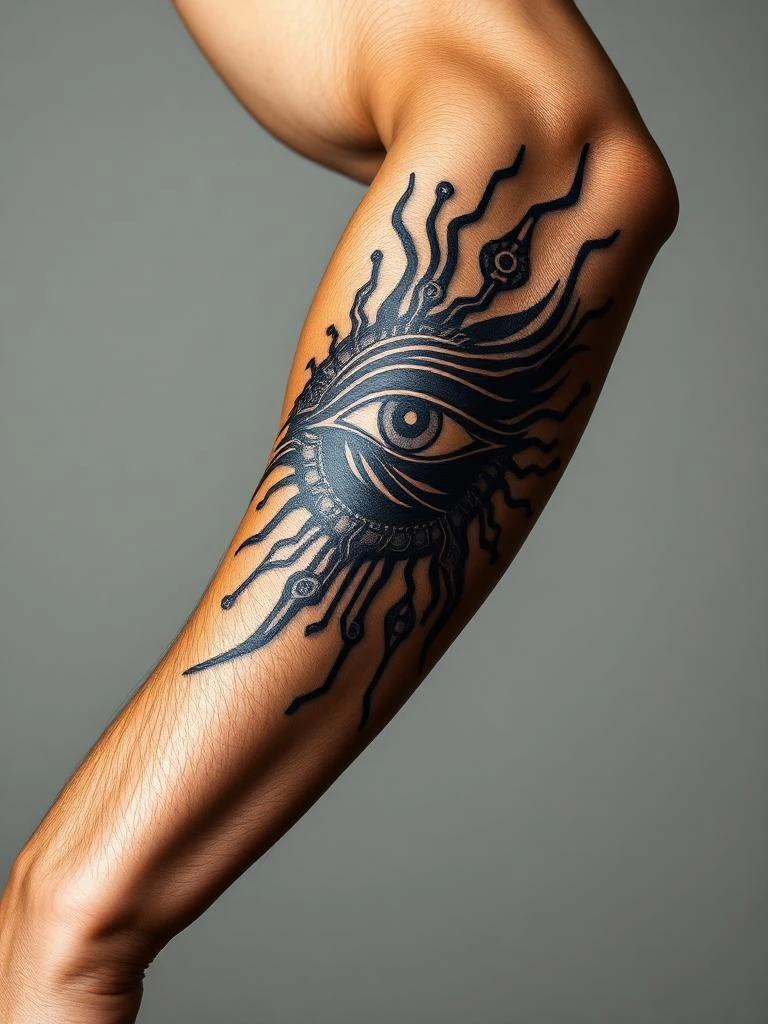
Unterarm Tattoo Männer 2026: Der Guide
Der Unterarm ist die Leinwand des Jahres 2026. Wir zeigen dir die angesagtesten Motive, Stile und geben dir Profi-Tipps für dein nächstes Tattoo.
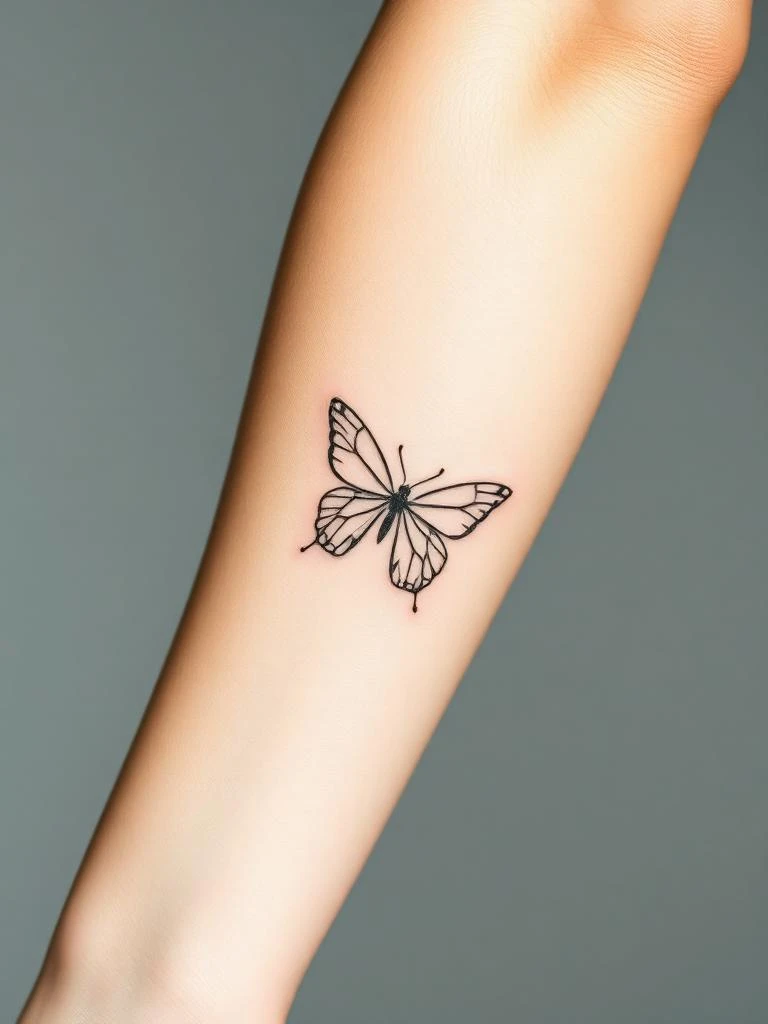
25 Minimalist Butterfly Tattoo Ideas + Expert Tips
Seeking a tattoo that whispers rather than shouts? Dive into our curated collection of minimalist butterfly designs, backed by artist insights on placement, style, and the subtle art of "less is more" ink.
Minimalistische Tattoo-Ideen zum Ausmalen | Kreative Vorlagen
Minimalistische Tattoo-Ideen treffen auf kreative Ausmalbilder: Entdecke, wie du filigrane Motive als Malvorlagen nutzt, um dein Traum-Tattoo zu visualisieren oder einfach entspannend zu kolorieren. In diesem Guide findest du pädagogische Tipps, Materialkunde und Schritt-für-Schritt-Anleitungen.